- Opening Hours: Mon to Fri - 7am to 5pm | Sat - 8am to 9pm | Sun - 8am to 5pm
- Contact: (07) 5592 2299

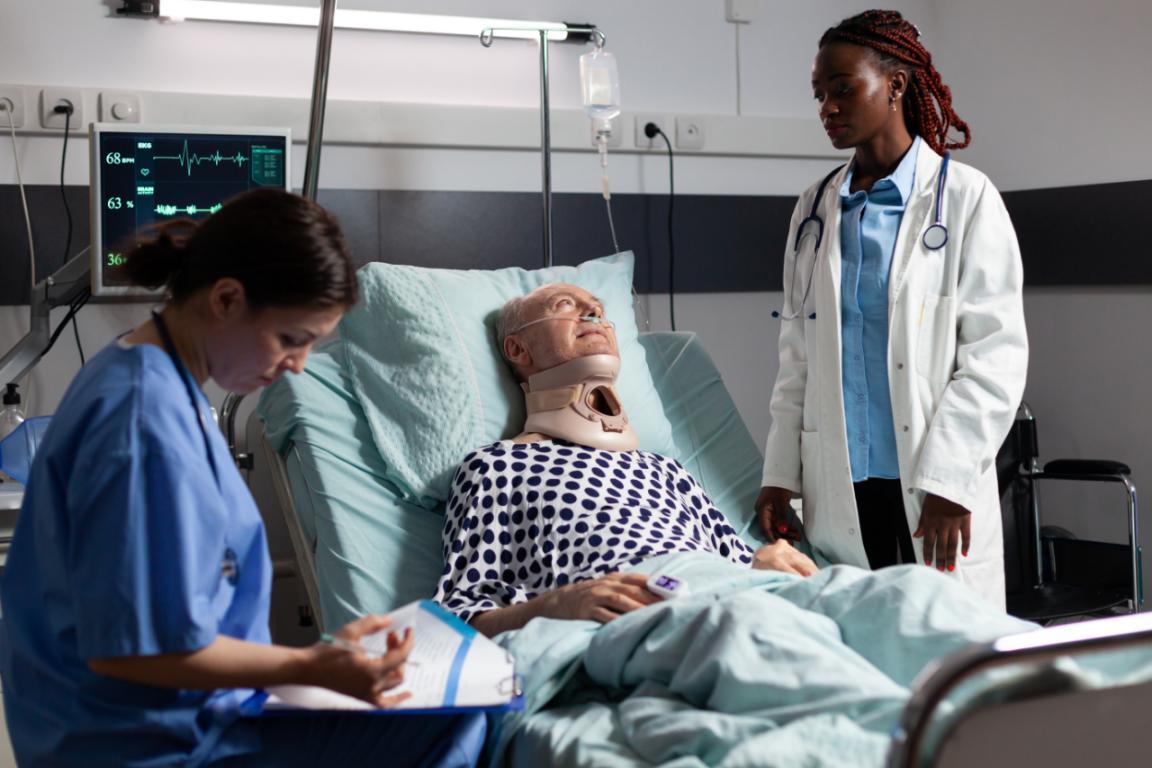
Navigating the realm of urgent health scenarios can be particularly challenging for individuals with chronic conditions. At My Doctors Clinic Surfers Paradise, our priority is ensuring these patients receive prompt and effective treatment during emergencies. This guide outlines crucial strategies and resources to manage sudden health issues for those with enduring ailments.
Chronic conditions such as diabetes, heart disease, or asthma require ongoing management and can complicate the need for acute medical attention. Recognising the signs that necessitate emergency care and having a plan in place is essential for mitigating risks and enhancing health outcomes.
Recognise the health emergency symptoms that warrant immediate medical attention:
For detailed planning support, Learn more about health management.
Every individual’s health scenario is unique. Thus, the approach to emergency situations should be personalised based on their specific health conditions. Regular check-ups are vital to ensure that your health management plans are up to date. Visit this page for more information about anual health check up guide.
For more advice on how to effectively communicate in emergencies, read about communication tips.
An essential element of managing emergencies for chronic patients involves bolstering your support network. This network should include not just health professionals but also close friends, family members, and caregivers who are informed and prepared to act swiftly in unusual health situations.
By solidifying your personal support network, you create a robust safety net that can significantly improve your response times in critical situations.
In today’s digital age, technology plays a pivotal role in managing health emergencies efficiently. From smart medical devices that track health metrics to apps that simplify communication with your medical team, leveraging technology can enhance your safety and ensure you receive help when needed.
Explore the latest in emergency health technology by visiting our services in Healthcare hub.
While waiting for emergency services or medical assistance, knowing what to do can alleviate symptoms and prevent complications. Here are some practical steps:
Preventive measures play a crucial role in reducing the likelihood and severity of emergencies. Regular visits to healthcare providers for check-ups can catch potential issues early, reducing the need for urgent care.
Stay on top of your preventive care by scheduling regular appointments through our easy-to-use online appointment system.
By taking proactive steps to manage your health and prepare for potential emergencies, you empower yourself to lead a safer, more controlled life, even with a chronic condition.
For chronic patients, being prepared with a clear, actionable emergency plan is crucial. At My Doctors Clinic Surfers Paradise, we are dedicated to supporting you in developing these plans and providing the necessary care in urgent situations.
Don’t hesitate to get in touch with us at My Doctors Clinic Surfers Paradise when you need urgent care or assistance with your health management plans.
Include medical history, medications, contacts for family and your doctors, and any critical health information.
Severe, sudden symptoms like intense pain, difficulty breathing, or major changes in mental state are typical indicators.
Some situations may initially be managed at home, but professional evaluation is crucial. Always call for emergency assistance if in doubt.
Follow your emergency plan, take necessary medications, and contact emergency services or get to an emergency room.
Review and update your plan annually, or whenever there are significant changes to your health or medications.
Trusted sources such as HealthDirect Australia website.
At My Doctors Clinic, We have been providing comprehensive medical care to patients, utilising a team of experienced doctors and allied healthcare professionals through a continuous envelope of personalised care.
We are open 7 days a week 365 days a year
Mon- Fri- 7am to 5pm
Saturday- 8am to 9pm
Sunday- 8am to 5pm
Public Holidays- 8am to 5pm
Medical Centre In Surfers Paradise
Travel Vaccination In Surfers Paradise
Medical Centre Near Me
Medical Centre Open 7 Days Near Surfers Paradise
Bulk Billing Medical Centre Near Me
After Hours GP Near Me
GP Near Me
Best Doctors in Gold Coast
Doctors Near Me
Bulk Billing Doctor Near Me
Bulk Bill Doctors Near Me
Female Doctors Near Me
Sexual Health Clinic Near Me
Women’s Health Clinic Near Me
Cosmetic Fillers Near Me