- Opening Hours: Mon to Fri - 7am to 5pm | Sat - 8am to 9pm | Sun - 8am to 5pm
- Contact: (07) 5592 2299

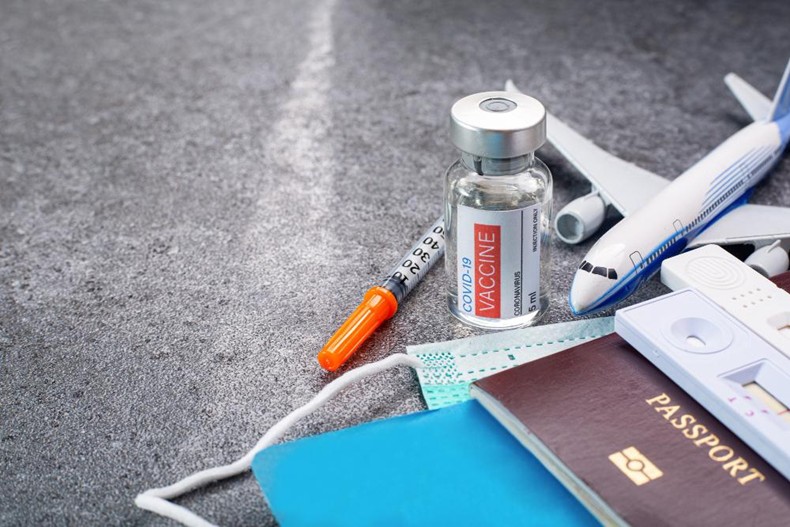
International travel brings excitement, but health risks shouldn’t be overlooked. From foodborne illnesses to vaccine-preventable diseases, every destination presents unique challenges. My Doctors Clinic Surfers Paradise provides tailored travel medicine consultations and vaccinations to help you stay protected abroad. Our team offers evidence-based guidance, up-to-date immunisations, and documentation required for safe entry into high-risk regions. Travel smarter by preparing your health just as carefully as your itinerary.
Travel medicine is a specialised area of healthcare that helps individuals prepare for and manage potential health risks when travelling overseas. It encompasses pre-travel consultation, vaccinations, malaria prophylaxis, travel-related disease education, and post-travel care. The goal is to protect travellers from region-specific diseases and health risks they might not encounter in their home country.
Every destination carries its own health challenges. From yellow fever in sub-Saharan Africa to typhoid in South Asia and malaria in tropical regions, unfamiliar pathogens can turn a dream vacation into a medical emergency. A pre-travel visit to a travel medicine clinic or a healthcare service provider is, therefore, a crucial step for any international journey.
A comprehensive pre-travel consultation ideally takes place 4–6 weeks before departure. This appointment includes:
Travellers are also educated on non-vaccine-related health threats, such as deep vein thrombosis during long flights, sunburn, or even accidents, often the leading cause of injury or death among travellers.
Vaccinations are a cornerstone of travel medicine. Some are required by law for entry into specific countries, while others are recommended based on disease prevalence. The primary categories of vaccines for travellers include:
These include standard immunisations that everyone should have, regardless of travel, such as:
Before travelling, it’s important to ensure that all routine vaccinations are up to date.
Based on destination-specific risks, these vaccines may be advised:
Certain countries require documented proof of vaccination as a condition for entry:
While no vaccine exists for malaria (except in some limited pediatric settings), travellers can take antimalarial medications tailored to the region. Options include atovaquone/proguanil, doxycycline, or mefloquine.
In addition, travellers should use:
Diseases like dengue, Zika, and chikungunya, for which vaccines are limited or unavailable, make mosquito bite prevention critically important.
Some travellers require extra care:
Another crucial component of travel medicine is ensuring medical insurance coverage abroad. Many standard health insurance policies do not cover international care or medical evacuation. Travellers should consider:
Some diseases have long incubation periods and may not show symptoms until after return. Travellers should monitor for:
Those returning from high-risk areas should consult a healthcare provider if symptoms appear within weeks or even months of return. If you had new sexual partners while you were away, a confidential STI check at our sexual health clinic is a sensible part of your post-travel care.
We deliver:
With our travel clinic & vaccinations services, your health is our priority. Your travel plans may be exciting, but staying well throughout your trip should be non-negotiable.
Your health shouldn’t be an afterthought when planning a trip. You’ll minimise risks and maximise enjoyment with the right advice and vaccinations. Get in touch with My Doctors Clinic Surfers Paradise today to book your travel medicine consultation. Visit our contact page or call our clinic to schedule your appointment.
Yes. Some illnesses, such as Hepatitis A, can be contracted from a single meal or drink. Even short visits pose risks.
Generally, no. Most travel-related vaccinations are privately billed. Some health funds may offer rebates.
It is an authorised certificate required by some countries for entry. If you’re travelling to or from Yellow Fever risk zones, it’s mandatory.
Yes, depending on your health status. Our doctors assess and space doses appropriately when needed.
At least 4–6 weeks before travel. Some vaccines need more than one dose to provide full protection.

At My Doctors Clinic, We have been providing comprehensive medical care to patients, utilising a team of experienced doctors and allied healthcare professionals through a continuous envelope of personalised care.
We are open 7 days a week 365 days a year
Mon- Fri- 7am to 5pm
Saturday- 8am to 9pm
Sunday- 8am to 5pm
Public Holidays- 8am to 5pm
Medical Centre In Surfers Paradise
Travel Vaccination In Surfers Paradise
Medical Centre Near Me
Medical Centre Open 7 Days Near Surfers Paradise
Bulk Billing Medical Centre Near Me
After Hours GP Near Me
GP Near Me
Best Doctors in Gold Coast
Doctors Near Me
Bulk Billing Doctor Near Me
Bulk Bill Doctors Near Me
Female Doctors Near Me
Sexual Health Clinic Near Me
Women’s Health Clinic Near Me
Cosmetic Fillers Near Me