- Opening Hours: Mon to Fri - 7am to 5pm | Sat - 8am to 9pm | Sun - 8am to 5pm
- Contact: (07) 5592 2299

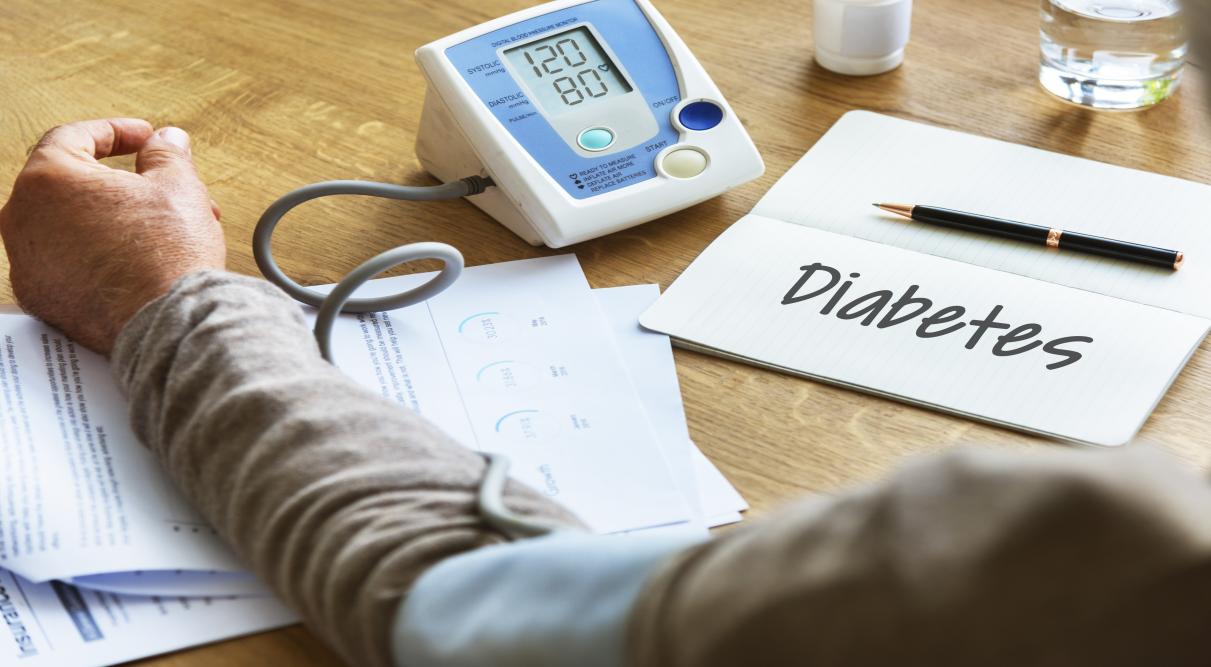
Type 2 Diabetes is a growing concern in Australia, affecting millions silently before any symptoms appear. At My Doctors Clinic Surfers Paradise, we believe that early intervention begins with awareness. This article outlines the early warning signs of Type 2 Diabetes and provides a clear path for action. Prompt recognition and professional support can significantly improve health outcomes.
One of the primary challenges of Type 2 Diabetes is its gradual and subtle development. The early symptoms often seem minor or are mistaken for unrelated health issues. As a result, many individuals unknowingly live with the condition for years before it is properly diagnosed.
Though these signs may seem unrelated, many stem from chronically high glucose levels and should prompt timely medical review.
Various genetic, behavioural, and metabolic factors contribute to the likelihood of developing Type 2 Diabetes. The following risk factors are especially relevant:
Routine health screenings and preventive care are essential for identifying risks early and taking appropriate action.
Diagnosis involves a series of blood tests that evaluate glucose levels and how the body manages sugar over time:
These diagnostic methods are widely available at general practice clinics and are fundamental to early detection and monitoring.
Adjustments to daily habits form the foundation of diabetes management. This includes adopting a balanced, low-GI diet, ensuring regular meal timing, staying hydrated, and incorporating physical activity such as walking, swimming, or cycling into the weekly routine. These lifestyle changes help regulate blood sugar and support long-term health.
In some cases, medical professionals may recommend oral medications or insulin therapy to help control blood sugar levels. Treatment plans vary depending on individual needs and may require periodic adjustments based on results and health status.
Ongoing self-monitoring of blood glucose is vital. Using a glucometer at home and attending scheduled reviews at medical facilities allows for proactive adjustments in diet, activity, and medication as needed.
Without early action and appropriate treatment, Type 2 Diabetes can lead to serious, potentially life-threatening complications:
These complications are often preventable with consistent blood sugar control and regular health evaluations.
Even for those at risk, preventive strategies can greatly reduce the chance of developing Type 2 Diabetes. Key actions include:
Preventive consultations and lifestyle guidance are accessible through a wide range of primary healthcare services.
The presence of symptoms or known risk factors warrants immediate professional attention. A thorough health check, even in the absence of prominent signs, can uncover early-stage concerns. Comprehensive assessments are often available alongside other general health services, such as skin checks and cardiovascular screening.
Early detection of Type 2 Diabetes can reshape long-term health. At My Doctors Clinic Surfers Paradise, we offer comprehensive services, personalised treatment plans, and ongoing support. If any symptoms or risk factors apply, don’t delay. Schedule a consultation today and take a proactive step toward better health.
Increased thirst and frequent urination are commonly the earliest signs of Type 2 Diabetes.
Yes, the condition may develop gradually without clear symptoms, which is why routine health checks are important.
In certain cases, particularly when detected early, improvements in diet, exercise, and weight management may lead to a reduction in symptoms or even remission.
Individuals over the age of 45 with a family history of diabetes, limited physical activity, or excess body weight face a higher risk.
Diagnosis typically involves blood tests such as the HbA1c test, fasting blood glucose test, and oral glucose tolerance test (OGTT).
The frequency of blood sugar monitoring depends on the treatment approach, but generally includes daily self-monitoring and regular medical evaluations.

At My Doctors Clinic, We have been providing comprehensive medical care to patients, utilising a team of experienced doctors and allied healthcare professionals through a continuous envelope of personalised care.
We are open 7 days a week 365 days a year
Mon- Fri- 7am to 5pm
Saturday- 8am to 9pm
Sunday- 8am to 5pm
Public Holidays- 8am to 5pm
Medical Centre In Surfers Paradise
Travel Vaccination In Surfers Paradise
Medical Centre Near Me
Medical Centre Open 7 Days Near Surfers Paradise
Bulk Billing Medical Centre Near Me
After Hours GP Near Me
GP Near Me
Best Doctors in Gold Coast
Doctors Near Me
Bulk Billing Doctor Near Me
Bulk Bill Doctors Near Me
Female Doctors Near Me
Sexual Health Clinic Near Me
Women’s Health Clinic Near Me
Cosmetic Fillers Near Me