- Opening Hours: Mon to Fri - 7am to 5pm | Sat - 8am to 9pm | Sun - 8am to 5pm
- Contact: (07) 5592 2299

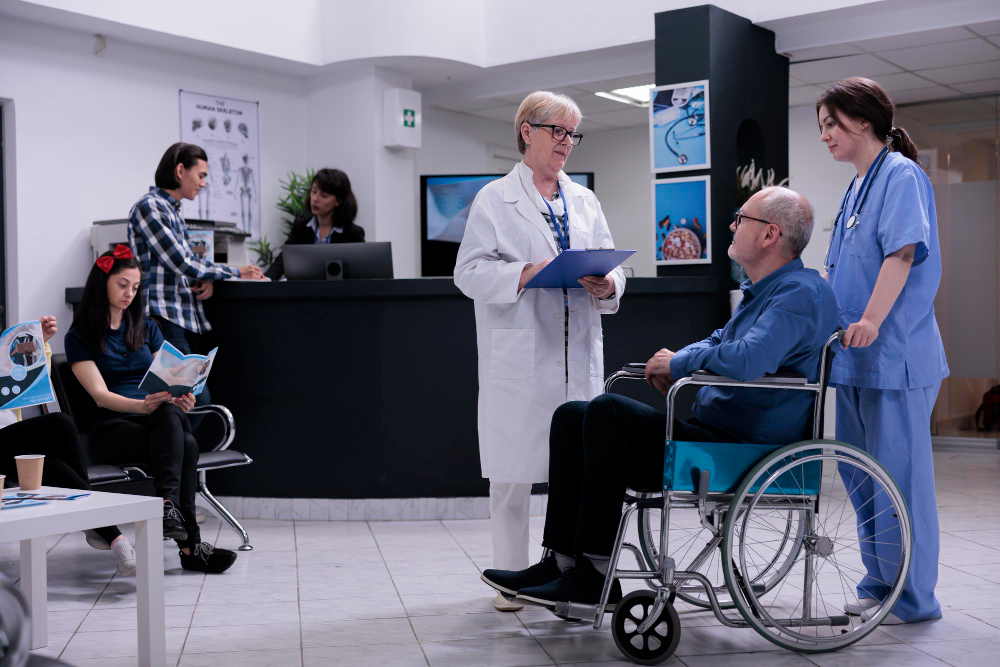
When unexpected health concerns arise, understanding where to seek appropriate care is crucial. At My Doctors Clinic Surfers Paradise, we aim to clarify the distinctions between walk-in clinics and urgent care centres to assist you in making informed decisions. Walk-in clinics and urgent care centres have emerged as popular healthcare options for non-life-threatening conditions. While these two types of facilities may seem similar at first glance, there are important differences between them in terms of services, scope of care, and when it’s appropriate to visit one or the other.
A walk-in clinic is a type of healthcare facility that provides non-emergency services without the need for an appointment. Walk-in clinics typically operate in pharmacies, retail stores, or standalone locations, making them easily accessible and convenient. These clinics are designed to handle common, minor health issues like common cold and flu, allergies, minor injuries, vaccinations, preventive health services and routine screenings. They are typically staffed by nurse practitioners, physician assistants, or sometimes doctors who can diagnose and treat a variety of basic health concerns. If you are on the Gold Coast, our medical centre open 7 days in Surfers Paradise takes walk-in patients alongside booked appointments.
Walk-in clinics are generally open during extended hours, including evenings and weekends, and provide a quick and affordable alternative to primary care doctors or emergency rooms. However, they are typically not equipped for more severe medical issues or complex diagnoses.
Urgent care centres, while also providing immediate care for non-life-threatening conditions, typically offer a broader range of services than walk-in clinics. Urgent care centres are equipped to handle more serious medical issues and injuries that may require X-rays, stitches, or other advanced treatments. Staffed by physicians and other healthcare professionals, these centres can provide more in-depth care compared to walk-in clinics. While they do not handle life-threatening emergencies (which are directed to the ER), urgent care centres are equipped to manage a wide variety of medical conditions that require immediate attention.
Urgent care centres are typically open seven days a week, with extended hours, and they serve as a bridge between primary care and the emergency room. Their ability to provide more comprehensive diagnostic services and treatments makes them suitable for individuals who need more immediate attention than what a walk-in clinic can offer but don’t require the level of care found in an emergency room.
Knowing which facility to visit largely depends on the severity of the medical condition. If you have a mild illness or injury that doesn’t require advanced treatment, a walk-in clinic is usually sufficient. For more severe, but non-life-threatening issues such as a deep cut, sprained ankle, or a high fever, an urgent care centre may be the better option.
In any case, if the situation is life-threatening (such as chest pain, difficulty breathing, or severe trauma), you should seek emergency room care immediately.
Understanding the differences between walk-in clinics and urgent care centres empowers you to make timely and appropriate healthcare decisions. At My Doctors Clinic Surfers Paradise, we are committed to providing comprehensive medical services tailored to your needs. Contact us for more information or to discuss your healthcare options.
Walk-in clinics provide care for minor illnesses, injuries, vaccinations, and routine health checks without the need for an appointment.
Visit an urgent care centre for non-life-threatening conditions that require immediate attention, such as minor fractures, moderate burns, or severe infections.
No, both walk-in clinics and urgent care centres typically accept patients without prior appointments.
Walk-in clinics can assist with certain aspects of chronic disease management, but for comprehensive care, it’s advisable to consult with your regular GP.
Our clinic operates Monday to Friday from 7 am to 5 pm and on weekends from 8 am to 5 pm.

At My Doctors Clinic, We have been providing comprehensive medical care to patients, utilising a team of experienced doctors and allied healthcare professionals through a continuous envelope of personalised care.
We are open 7 days a week 365 days a year
Mon- Fri- 7am to 5pm
Saturday- 8am to 9pm
Sunday- 8am to 5pm
Public Holidays- 8am to 5pm
Medical Centre In Surfers Paradise
Travel Vaccination In Surfers Paradise
Medical Centre Near Me
Medical Centre Open 7 Days Near Surfers Paradise
Bulk Billing Medical Centre Near Me
After Hours GP Near Me
GP Near Me
Best Doctors in Gold Coast
Doctors Near Me
Bulk Billing Doctor Near Me
Bulk Bill Doctors Near Me
Female Doctors Near Me
Sexual Health Clinic Near Me
Women’s Health Clinic Near Me
Cosmetic Fillers Near Me